
What is Building Information Modelling?
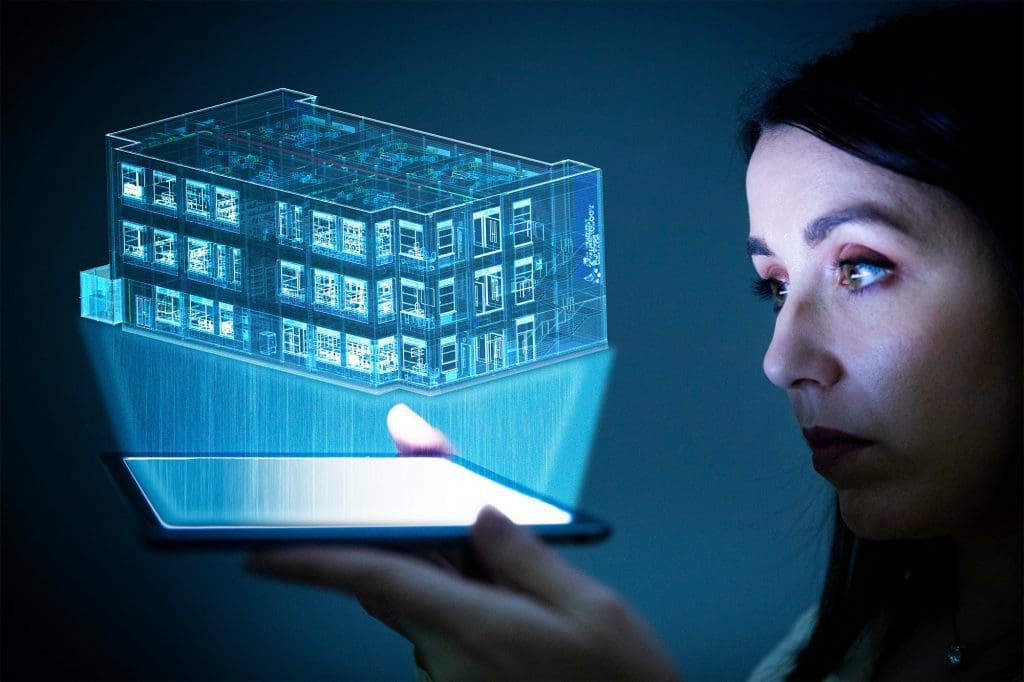
BIM is short for Building Information Modelling. It is a digital process that allows designers to plan and create detailed 3D BIM models that represent the design and other characterisics of a building.
Acurate BIM 3D models can be used to efficiently create renderings and visuals that quickly communicate design intent to all parties, including contractors, architects, and engineers. This helps project teams to identify any errors or design changes early on, while providing the opportuntity to collaborate and build in more value, such as sustainabililty.
McAvoy uses digital tools such as Building Information Modelling to help streamline the entire project lifecycle, from design and manufacturing to installation and handover.
What is BIM in modular construction?
Good design is key to ensuring that all projects are well-planned and optimised for offsite manufacturing and smooth installation. When combined with offsite modular construction, Building Information Modelling unlocks even greater value:
- Faster, more streamlined projects
By leveraging digital technology alongside offsite modular construction, facilities can be delivered up to 50% faster than traditional methods. Technologies such as Building Information Modelling enable parallel activities, like site preparation and offsite manufacturing, leading to streamlined project timelines.
- Improved collaboration and communication
Digital tools, particularly Building Information Modelling, ensure seamless collaboration among all stakeholders. Real-time, cloud-based collaboration reduces miscommunication, allows rapid design iterations, and minimises costly errors or rework.
- Sustainability and reduced waste
Offsite modular construction, paired with digital BIM technology enables the design of more sustainable buildinings with significantly less waste and better resource optimisation.
Energy efficiency and life cycle analysis can be incorporated into 3D BIM digital models, helping to meet sustainability goals by tracking embodied carbon and optimising energy use.
- Enhanced communication
Platforms like BIM Collab, which is directly integrated with 3D authoring software, mean that designers do not need to leave their software but can instead navigate to potential issues, resolve and communicate back to BIM collab from the design environment. The platform communicates the status of issues to the wider project stakeholders.
- Enhanced precision and quality control
The integration of Building Information Modelling with offsite modular manufacturing delivers high levels of precision and consistency, as digital models guide the fabrication of modules in factory-controlled environments.
This approach ensures better quality control, reduced waste, and tighter tolerances, ultimately creating a more reliable and sustainable building product.
- Better handover and facility management
Digital technology ensures a smooth handover process, with all relevant data, manuals, and maintenance information embedded in a 3D BIM model, enhancing the long-term management of the building.
Facility management teams benefit from real-time access to critical building data, reducing maintenance costs and improving operational efficiency.
- BIM for DfMA
BIM modelling integrated with manufacturing information to digitise fabrication processes. The detailed design data is used to create:
- Digital BoM’s (Bill of Materials) with accurate specification data and quantities.
- Accurate shop drawings / work instructions and CNC machine data to communicate directly to manufacturing resources and supply chain. The software also optimises cutting lists and material usage to minimise wastage on factory floor.
Case Study: Orsett Heath Academy and BIM
Using digitial tools was central to the success of the design and build of Orsett Heath Academy in Grays, Thurrock, Essex. Using Building Information Modelling (BIM), McAvoy developed detailed 3D designs that streamlined coordination, enabling automated clash detection and ensuring compliance of the 8,610m2 three-storey building comprising 209 modules encompassing collaborative breakout areas, a double-height dining area and a performing arts hub.
Virtual reality (VR) models brought the designs to life, allowing teams to refine every detail before construction began. Onsite, wearable technology and 360-degree cameras provided real-time progress updates, while cloud-based platforms centralised project information. These methods supported transparency and enhanced communication between all stakeholders, ensuring the delivery stayed on track.
The combination of using digital tools such as BIM technology and the offsite manufacturing process was instrumental in the swift delivery of the new 1,200 pupil capacity school and highlights McAvoy’s ability to deliver large-scale, complex educational facilities efficiently and sustainably. By combining advanced manufacturing techniques with BIM design, and a commitment to collaboration, McAvoy has set a new standard for school construction.
For more on what is Building Information Modelling and how it benefits projects, speak to our team.
McAvoy is a leading precision manufacturer of modular buildings in the UK and Ireland, offering permanent and temporary buildings across education, healthcare, commercial and pharmaceutical. If your organisation is in need of temporary classrooms, a modular office, modular healthcare buildings or similar, get in touch to find out how we can help, today.